Table Of Content
- Free High-Resolution Wood Textures (By Isaac Gube, JPG)
- Abstract Textures
- Bonus: The importance of textures in modern graphic design
- Enhance the visual experience using this variety of textures to bring touch and feel to your designs
- In summary, here are 10 of our most popular graphic design courses
- Monochromatic colors in graphic design
- Visual Texture
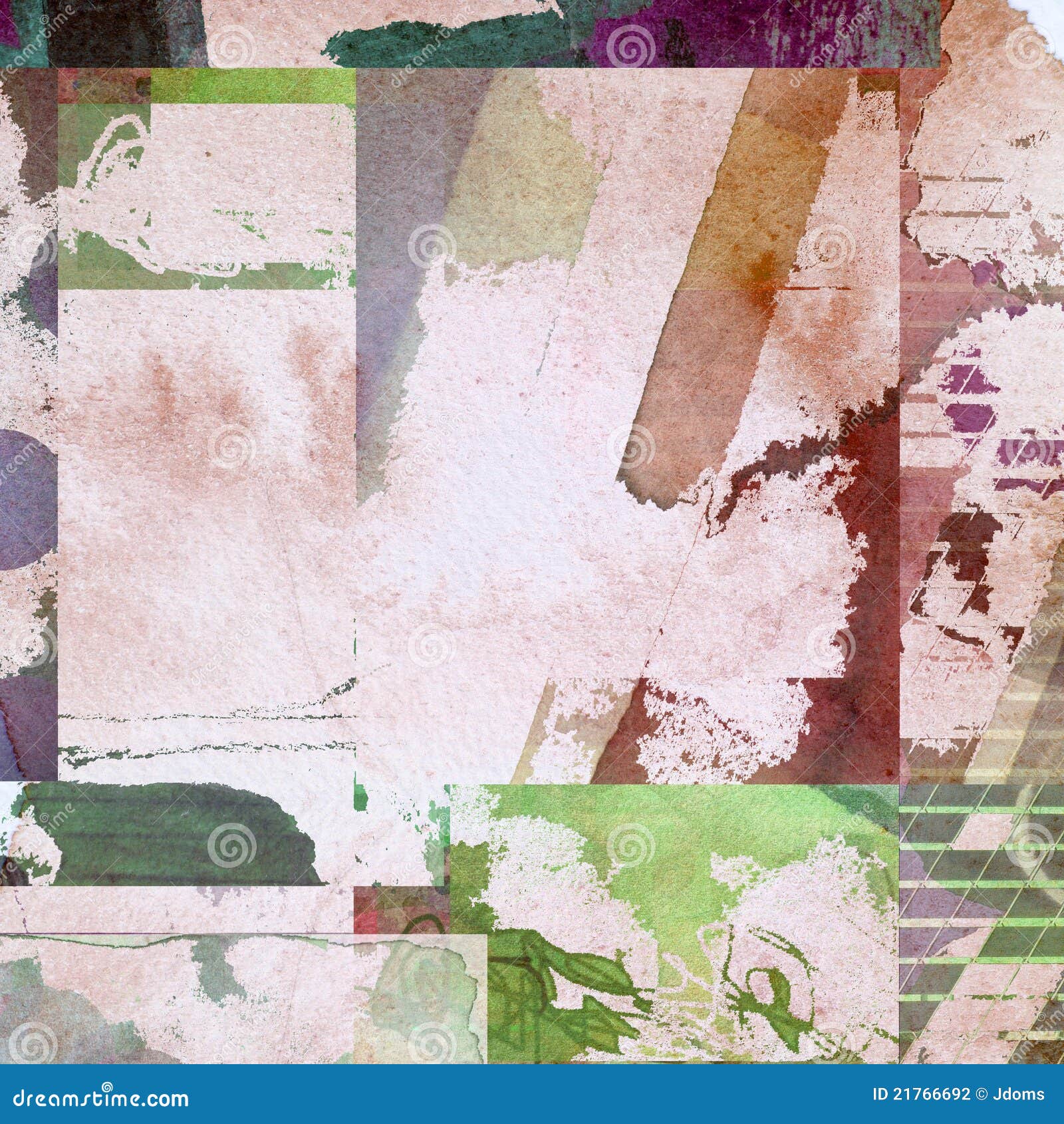
We can determine differences in feels between the first and the second image simply by looking at them. A texture is a tangible(that can be seen or felt) property of a surface. The texture is primarily identified as the ridges in a surface and the formation of a pattern. With Simplified, you can design anything you like, scale your brand, and even collaborate with your team. We have hundreds of beautiful templates for you to use, or you can start from scratch.
Free High-Resolution Wood Textures (By Isaac Gube, JPG)
Note how the example below perfectly illustrates the power of natural textures. Something as simple as leaves paired with a flat design creates the necessary contrast to quickly catch the eye. This kind of contrast and juxtaposition is what also creates a sense of drama and draws the eye. In this guide, we shall focus solely on texture as an element of graphic design.
Abstract Textures
You may also use this paper texture to create impressive background designs. Old photo textures and old newspaper textures add depth to your retro designs and make your designs look more authentic. So download this amazing pack if you want to look original with your designs. Vellum is smooth, but its subtle jaggedness makes it rougher than other forms of smooth paper textures. Vellum is generally made from pure cellulose fibers found within tree bark. The material for creating vellum is also obtained from plasticized rags.
Bonus: The importance of textures in modern graphic design
We’ve covered a lot about static design, but using the background to create a sense of a 3D layered effect is a completely different technique. The key is combining opacity and transparency to create a sense of depth. Even something as simple as bubble wrap, in this example, can create an entirely new look and feel when placed on top of images. Basically, when adding texture, you want to create something that will catch someone's eye without being too over the top. The goal is to achieve something that brings out your idea while invoking an emotional response to the viewer.
Enhance the visual experience using this variety of textures to bring touch and feel to your designs
The keywords for you to remember here are clipping masks, blending, and layers. After importing the image, you may have to experiment with these settings. Blending options, clipping masks, and layers will help create the desired paper texture that could work well with your design project. Several creative platforms can help you with the paper texture you need. If you still cannot find what you are looking for, you can create your own by using a paint roller on a piece of thick paper. You can also use your phone camera to take photos of textures you like.
In summary, when it comes to using texture in graphic design, there are several ways to create more alluring compositions. Along with diverse shapes, patterns, colors, and other visual elements, the texture will be the “icing on the cake”. Textured backgrounds are one of the most powerful tools for creating visually provoking graphic designs.
Monochromatic colors in graphic design
And the old, trompe l’oeil approach to texture has not completely disappeared either. New tools have allowed illusionistic texture to become ever more sophisticated; its place in the design world is smaller now, but still important. Graphic design is a core part of successful marketing and branding. You need graphics everywhere from your website to your social media pages and even outdoor billboards. Most of us think of texture as something we feel when we run our fingers over an item. In physical art, the texture is determined by the materials used – paint or carved stone, for example.

Join our community of creative minds, and start transforming your ideas into visually stunning artworks with our graphic design courses. From paper texture library to stock footage to free photos, Pexels has everything a creative professional may need. Pexels’ mission, “Empowering Creators,” perfectly defines the platform. Not only does the site provide creative professional varied paper textures, but also free photos and stock footage. The online platform provides “millions of designers, writers, artists, programmers, and other creators” with the designs required to create great content.
Typography can be given personality and individuality through the usage of textured typefaces. When used with care, textured fonts can amplify a design’s visual impact while also fitting in with its overarching theme. Ava7Patterns Ava7Patterns provides beautiful patterns for you to download. You can search patterns through the site’s collection of over 1,200 patterns by color or by shape. PatternCooler PatternCooler is an excellent site for getting seamless patterns. With each pattern featured, you’re able to modify the color, rotate and resize their resolution, and save them to your PatternCooler account (if you have one).

You can also create an attractive environment for your blog, which will enable your readers to stay on your site longer. This halftone paper texture from Textures4Photoshop can be used in a number of ways to bring your comic book to life. Halftone is generally created by using a gradient of shades and limiting the number of tones. Halftone patterns are generally used to make an image more dramatic. You can use this retro comic book background with halftone texture to your design project to give it a vintage look. This retro comic book background ensures that you do not have to create a new one from scratch on editing applications such as Photoshop.
We shall address its importance in the whole process and see how you can enhance your designs using texture with CorelDRAW software. Like size, form, and color, texture is an essential part of every good graphic design. Some textures, such grainy ones, may suggest roughness and roughness, whereas smooth ones could suggest refinement. Successful integration of texture in graphic design demands mastery of color theory, an understanding of texture psychology, and a firm grasp of design concepts. Designers must also consider how their creations will be displayed across various devices, as different screens may interpret textures differently. Consider the case of a graphic artist tasked with crafting an advertisement for an exhilarating mountain adventure tour.
10 high-quality design assets for serious graphic designers - Creative Boom
10 high-quality design assets for serious graphic designers.
Posted: Mon, 05 Sep 2022 07:00:00 GMT [source]
The library continues to grow, with almost 200,000 photos and videos being uploaded every month. Pinstripe papers can easily be spotted because they have ribbed vertical lines that stretch down the length of the sheet. Pinstripe papers are generally used for wrapping or decorations. From wallpapers to paper bags, pinstripe papers are stylish and elegant. Textures simulate feel and provide us context on how something would feel when touched. Uncover the origins, discover key motifs, and find inspiration to give a touch of coquetry into your own style.
Defined by the site, a seamless texture “can be repeated infinitely without showing any edges. They are primarily used in 3D design, website backgrounds, graphic design, and desktop wallpapers“. There are visual textures, and then there are tactile textures. Tactile textures have physical qualities even though they are purely visual. Tactile images mimic the texture of the physical surface of various objects.
The word “texture” comes from the Latin textura, meaning “weaving.” The feel of fabric is central to the term’s significance. Find out what’s new on Freepik and get notified about the latest content updates and feature releases. The first and easiest way to add texture is with a background. Here’s to creating graphic art with a purpose and meaning as opposed to with an afterthought. Careful incorporation of texture into design efforts is the essence of the texture design approach.
Textures that look or are made to look a certain texture but feel different are called Visual or Implied Textures. An example of visual texture would be this work of art by sculptor Håkon Anton Fagerås. The feel and weight of the metal, plastic, glass, and other materials that make up packages affect the consumer’s opinion of a product. You can download different textures in both vector and raster file formats on Freepik. Let’s say you have an illustration, a 3D render, or just an image of something. You’re happy with the result, yet you think it’s missing something.
The drippy, cheesy slab serif above left is a particularly extreme—but by no means uncommon—example. The typeface above right, called “Canyon,” by Man Farin, is a little more subtle. Besides landscapes, perhaps no photographic subject conveys more texture than the human face. Magazine designers are the master of this texture component, as you can see in the above cover of Esquire featuring a stubbly Bruce Willis.